
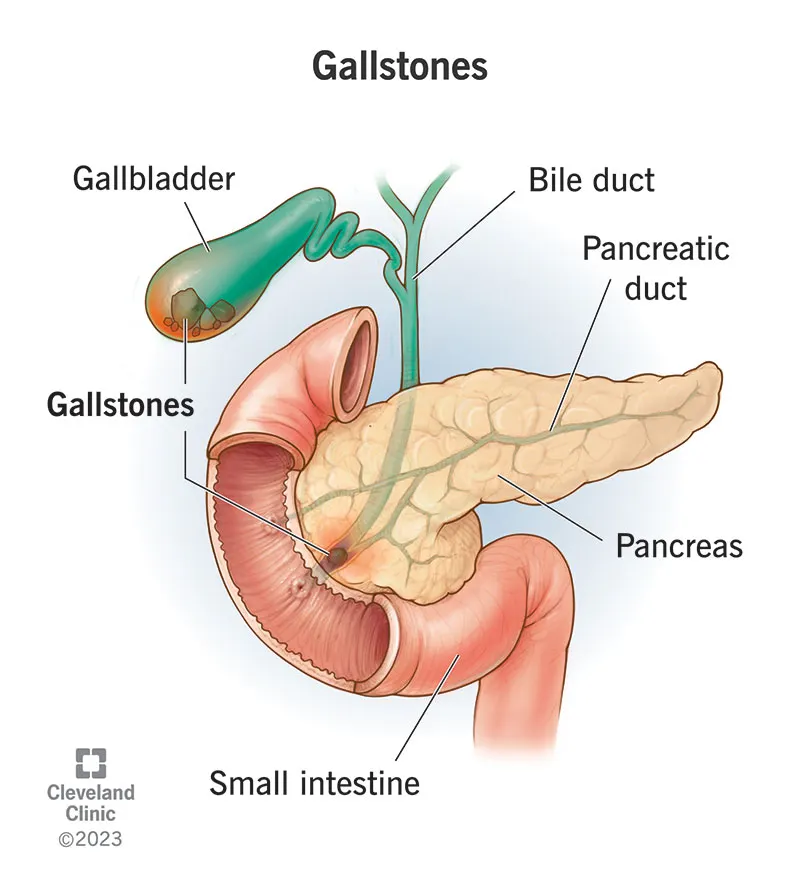
Gallstones are hard, stone-like deposits that form in the gallbladder. They are usually made of cholesterol or bilirubin and develop when the composition of bile becomes imbalanced. Some gallstones remain silent for years, while others can block the bile ducts and lead to severe pain and digestive problems.
Many people wonder whether homeopathy can help avoid surgery for gallstones. The answer depends on the size of the stones, symptoms, and overall condition of the gallbladder.
What Are Gallstones?
The gallbladder stores bile, a digestive fluid produced by the liver. Bile helps in the digestion of fats. When there is too much cholesterol or bilirubin in the bile, stones may form.
Gallstones are generally classified into two types:
- Cholesterol stones — account for nearly 80–90% of cases
- Pigment stones — formed due to excess bilirubin, commonly seen in conditions such as sickle cell anemia
Sometimes the gallbladder does not empty properly, which also increases the risk of stone formation.
Symptoms of Gallstones
Many gallstones do not cause symptoms and are discovered accidentally during an ultrasound, CT scan, or routine health check-up. However, when symptoms appear, they may include:
- Sudden pain in the right upper abdomen radiating to the back or shoulder blade
- Nausea and vomiting
- Fever or chills
- Abdominal bloating
- Jaundice (yellowing of skin and eyes)
- Itching
- Diarrhea
- Loss of appetite
- Rapid heartbeat
- Confusion in severe infections
If there is persistent pain, fever, or jaundice, immediate medical attention is necessary.
Can Homeopathy help prevent Gallbladder Surgery?
Homeopathy may help in selected cases, especially when gallstones are small and symptoms are mild to moderate. Stones smaller than 10 mm may respond better to treatment aimed at dissolving stones, improving bile flow, reducing inflammation, and managing symptoms.
However, larger stones, repeated gallbladder attacks, infection, blockage of bile ducts, or complications such as pancreatitis often require surgical removal of the gallbladder.
Commonly Used Homeopathic Medicines for Gallstones
Chelidonium Q
Often used when there is liver and gallbladder inflammation, pain radiating from the right abdomen to the scapula, and a desire for warm food.
Lycopodium 30
very useful medicine for liver and gall bladder complain with bloating, excessive gas, sour belching, and poor digestion, loss of appetite
Calcarea Carbonica 30
Helps in gall stone cases in overweight individuals with a sedentary lifestyle, slow metabolism and sensitivity to cold.
Berberis Vulgaris Q
Effectivelly used for abdominal pain and discomfort associated with gallstones.
Cholesterinum 30 or 6X
Used in cases associated with high cholesterol, nausea, and vomiting.
Fel Tauri 6X
helps to support bile flow and digestion.
Guatteria gaumeri Q
helps to relive gallbladder and liver weakness and recurrent stone formation, also helps to relive severe pain.
Cactus Q
when gallstone symptoms are associated with heart related complaints
Homeopathic Support After Gallbladder Removal
After gallbladder surgery, some people experience digestive discomfort because bile flows directly into the intestine instead of being stored and released when needed.
Common Symptoms After Surgery
- Indigestion
- Acidity
- Gas and bloating
- Bitter or sour belching
- Diarrhea or constipation
- Abdominal discomfort
Homeopathic Medicines Commonly Used After Surgery
Chelidonium Q
Right-sided abdominal pain, fatty liver, bitter taste in mouth
Lycopodium
Helpful for gas, bloating, and sour eructation. loss of appetite
Robinia
Effectively used for acid reflux.
Colocynthis
May help severe abdominal cramps relieved by bending forward.
China
Used in weakness associated with diarrhea and fluid loss, bloating
Hydrastis
Often considered for liver and digestive complaints.
Carduus Marianus Q
Effectively used in liver and fatty liver complaints.
Ceanothus Q
Believed to support bile-related digestive function.
Nux Vomica 30
Useful in acidity after heavy or outside food.
Pulsatilla 30
Often considered for discomfort after fatty foods.
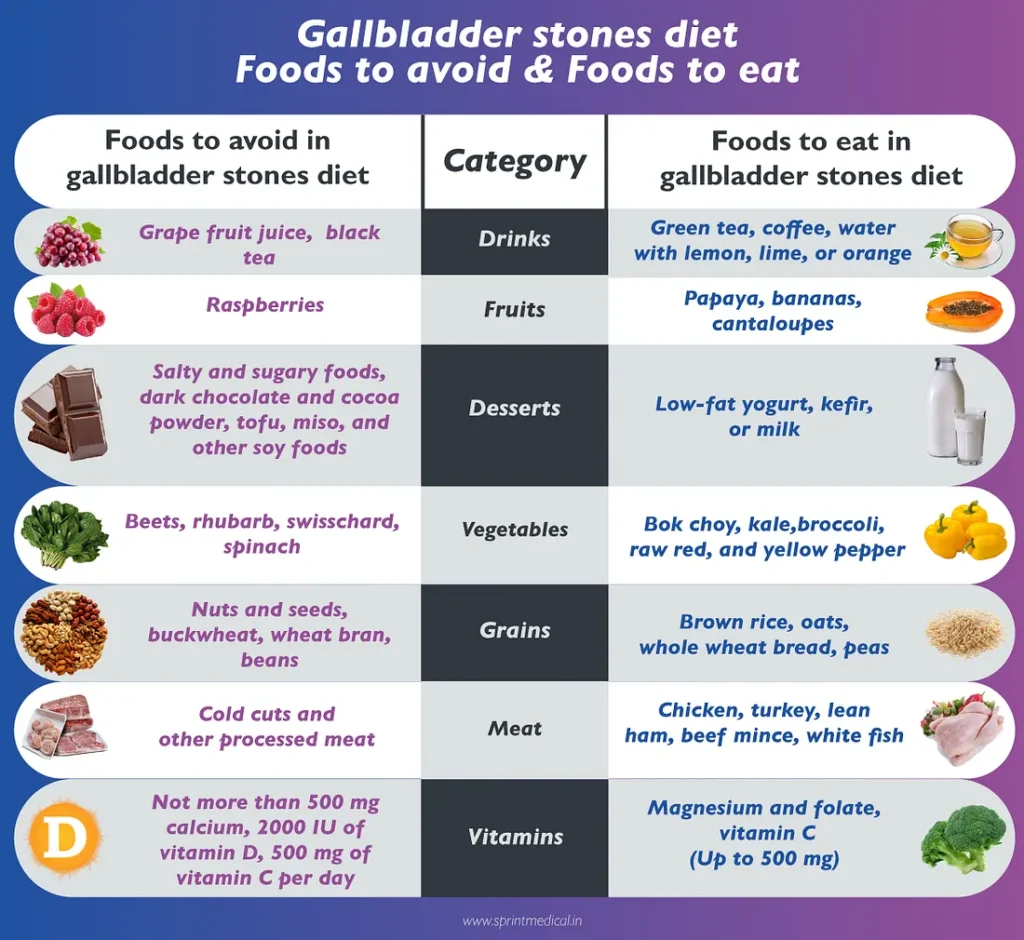
Dietary and Lifestyle Changes for Gallstones
Lifestyle modifications can help reduce the risk of recurrent gallstones and improve digestion.
Recommended Tips
- Maintain a healthy body weight
- Avoid crash dieting or rapid weight loss
- Drink 6–8 glasses of water daily
- Never skip meals, especially breakfast
- Eat fresh fruits, vegetables, and whole grains
- Increase dietary fiber intake
- Prefer healthy fats such as olive oil
Foods to Limit
- Fried and oily foods
- Saturated fats
- Excessively cold foods and beverages
- Processed and junk food
When Is Surgery Necessary?
Surgery is generally recommended when:
- Gallstones are large
- Pain attacks are frequent
- There is infection or inflammation
- Bile ducts are blocked
- Jaundice develops
- Pancreatitis occurs
Gallbladder removal surgery (cholecystectomy) is a common and generally safe procedure when medically indicated.
Conclusion
Homoeopathy medicine helps in dissolving small size stones and symptomatic relief, also it helps to eliminate symptoms and pain after gall bladder removal.
However, gallstones can become serious if complications develop. Surgery should not be delayed when recommended by a qualified doctor. A balanced approach involving proper diagnosis, medical supervision, diet management, and timely treatment is essential for safe and effective care.
Disclaimer
This article is for educational purposes only and should not be considered medical advice. Homeopathic medicines should be taken only under the supervision of a qualified practitioner. If you experience severe abdominal pain, fever, vomiting, or jaundice, seek immediate medical care.
Thank you
Dr. Poonam Saglani